
Search Wisconsin White Pages
Wisconsin White Pages searches work best when the first step is to identify the office that owns the record. A name, city, county, or state clue can all help, but the safest path usually runs through a court, clerk, agency, or archive page that the state already maintains. This hub pulls those paths together so a search can stay local when it should, or widen into a state source when the city or county office is not enough. The goal is simple. Find the right Wisconsin office, then use that office to get the record.
Wisconsin White Pages and Circuit Courts
The Wisconsin circuit courts overview is the state starting point when a White Pages search turns into a case search. Circuit courts handle civil, criminal, probate, juvenile, and traffic matters, so they sit near the center of many record lookups. The court system also makes clear that each county has a local path, which is why a state search often ends at a county clerk or courthouse office.
The official circuit court forms page helps when a search becomes a filing problem instead of a lookup problem. That matters because a White Pages search often starts with a person or place, then changes into a document or docket question. The forms page gives the statewide structure behind that move.
The first image below links to the Wisconsin circuit courts overview. It helps show how the court system is built across the state.
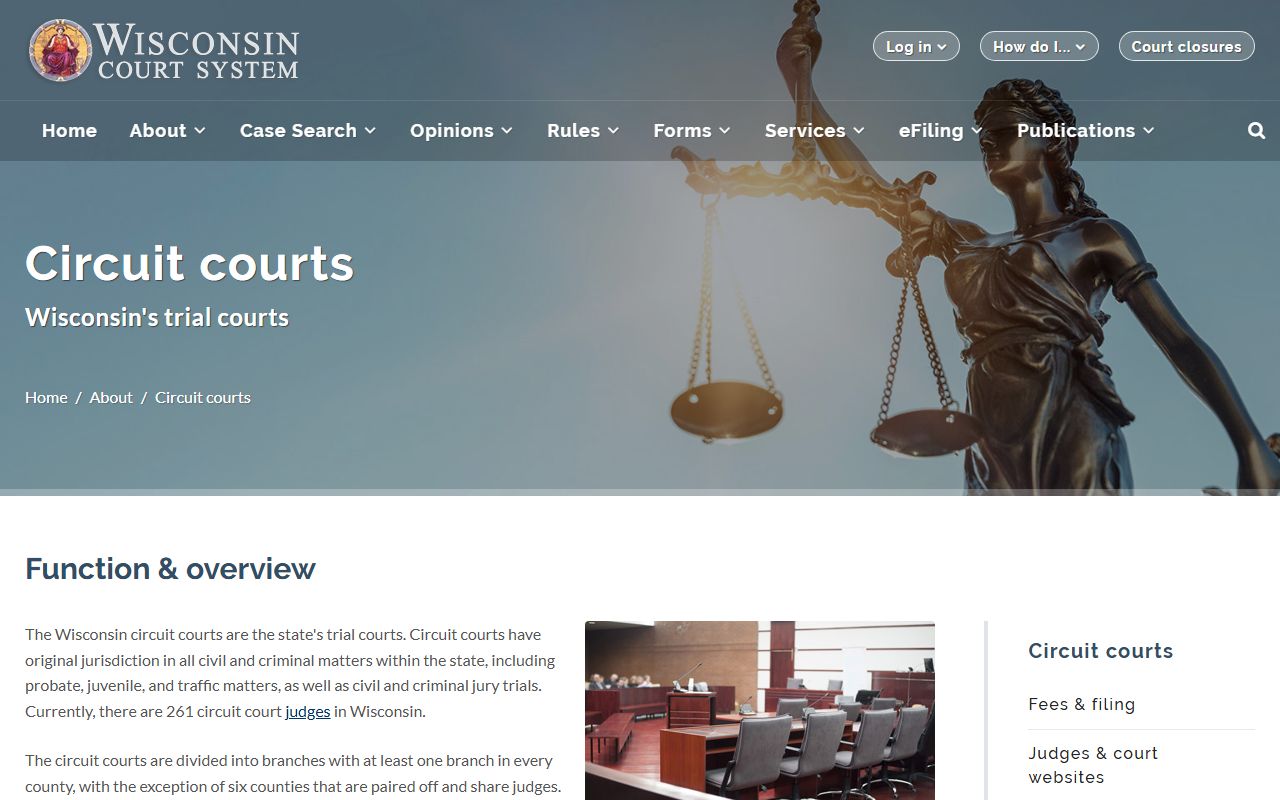
That court map matters because it points the search toward the right county and the right clerk office.
The next image links to the circuit court forms page. It is the clearest sign that a record search may need a filing form before it can move forward.
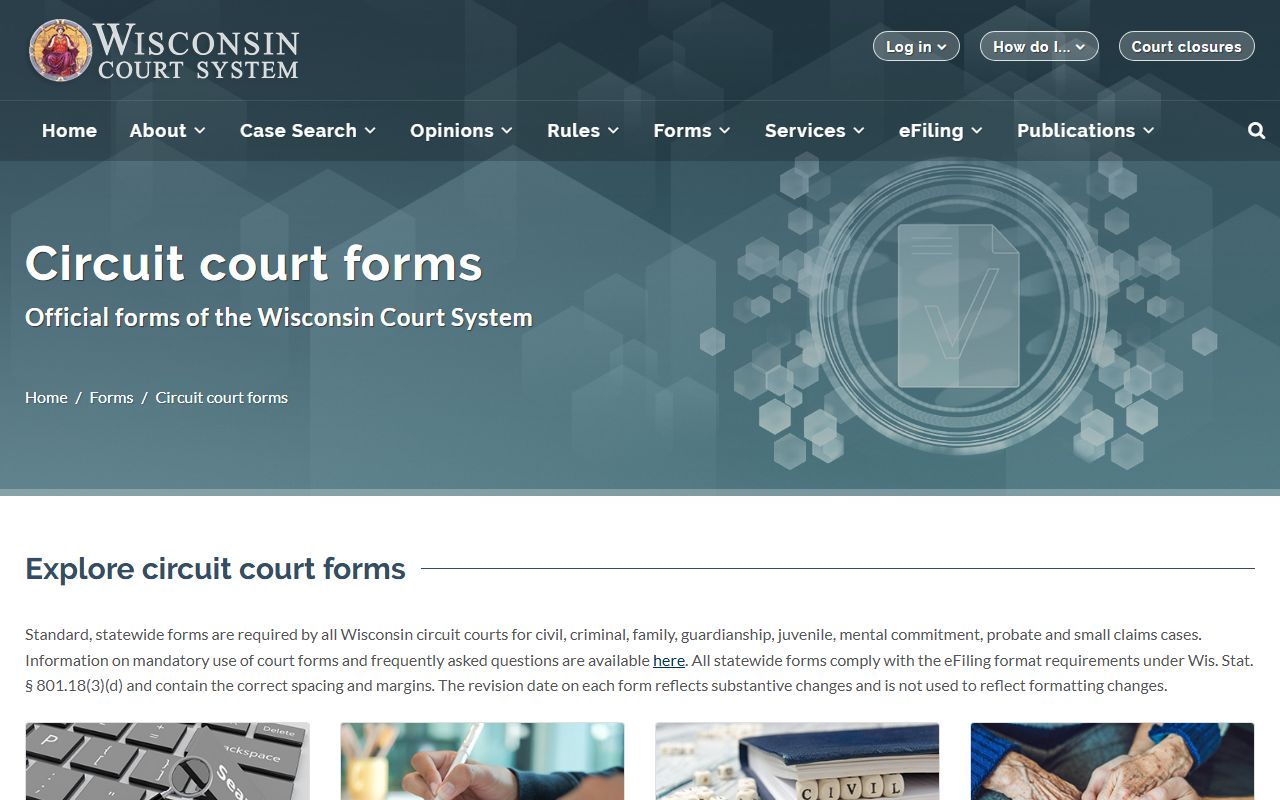
Forms are useful when the search has moved past a simple name lookup and into the court process itself.
Wisconsin White Pages work gets more precise once court and filing tasks are separated. A court office can show the case path, while the forms page shows the process needed to reach it.
Wisconsin White Pages and Clerk Records
The clerk path is often the fastest route when a Wisconsin White Pages search needs official records. The Madison Clerk research entry shows how clerk offices manage elections and records in a way that is easy to recognize statewide. Clerk pages are useful because they turn a general local clue into a filing, election, or official record path.
The Clerk of Supreme Court and Court of Appeals adds a statewide layer. That office keeps appellate filings and related records, which makes it a good reference point when a White Pages search has moved beyond a local clerk office. State clerk structure matters because it shows how Wisconsin keeps higher court records organized.
The first clerk image links to Madison's clerk page, which is a clear example of how elections and records meet in one office.
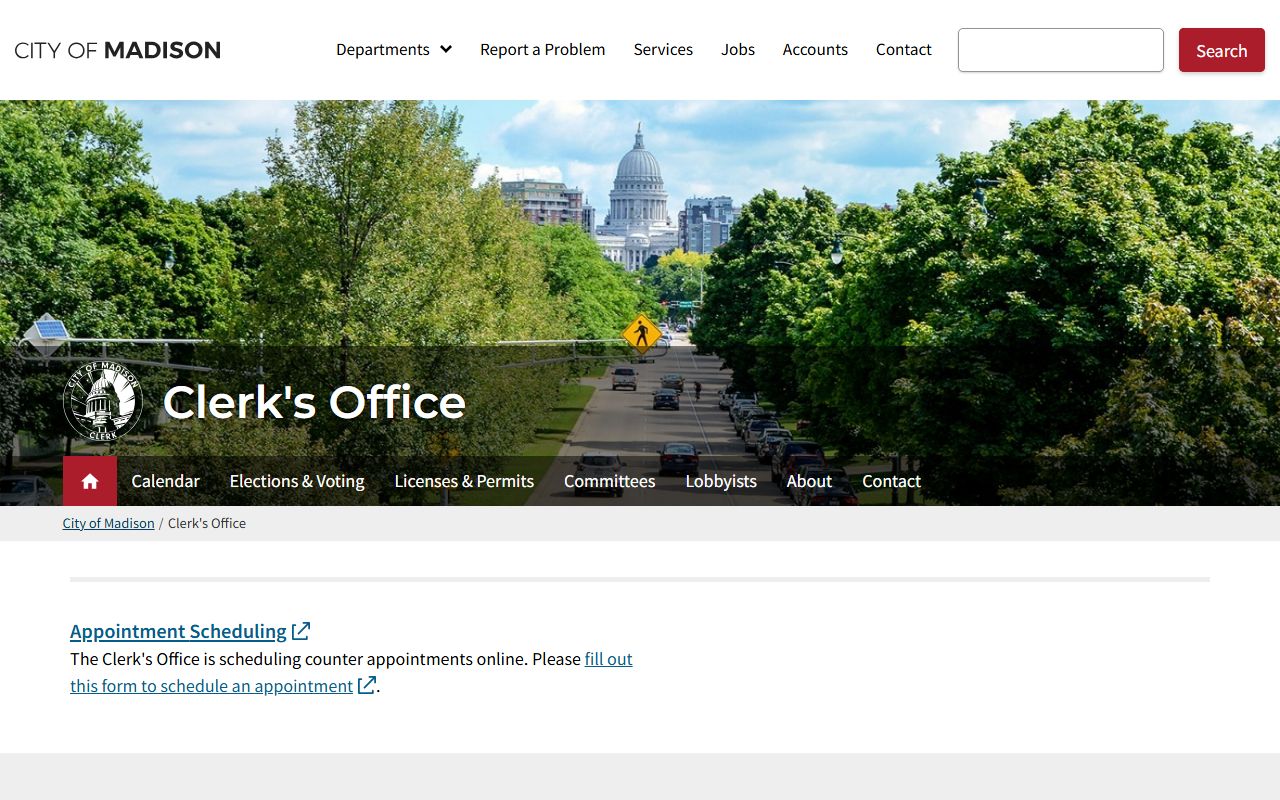
That kind of office is useful because it keeps the search tied to official city records rather than a broad directory entry.
The second clerk image links to the Wisconsin appellate clerk page. It shows the state level office that handles court filings above the county courts.
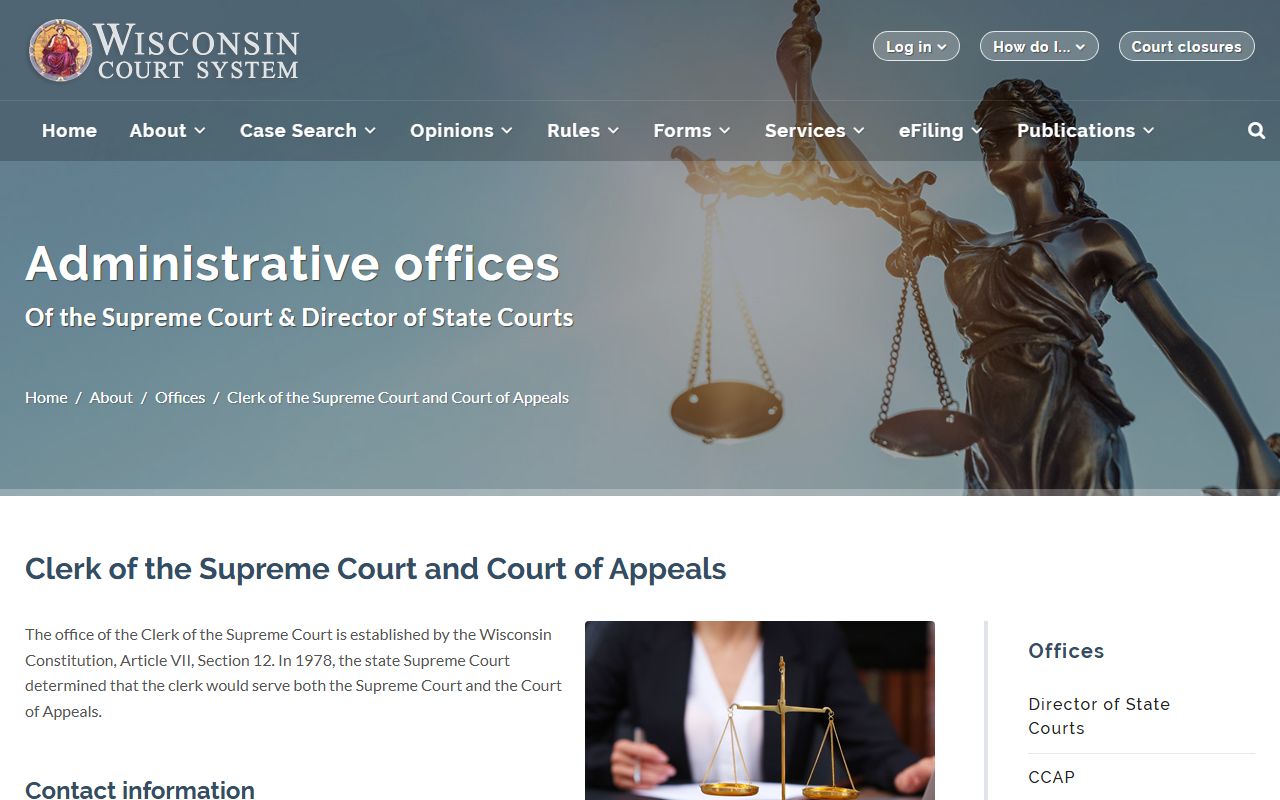
That statewide clerk path matters when a local matter becomes a court filing or appeal question.
White Pages work gets stronger when the search follows the office that actually keeps the record. Clerk pages do that well because they point directly to the official source.
Wisconsin White Pages and Public Safety
Public safety offices matter in Wisconsin White Pages searches because police and fire records often begin with a local event, not a formal form. The Wisconsin Department of Justice is part of that wider system because it supports law enforcement, transparency, and public access work across the state. It gives a state level path when a city or county office is not enough.
The Madison Police Department image and page show how a local police office can be the right answer when the search is about an incident, arrest record, or public safety concern. The Madison Fire Department image does the same for fire service records and emergency response context. A White Pages search should not blur those offices together.
The DOJ image comes first and points to a statewide justice path that helps frame law enforcement records.
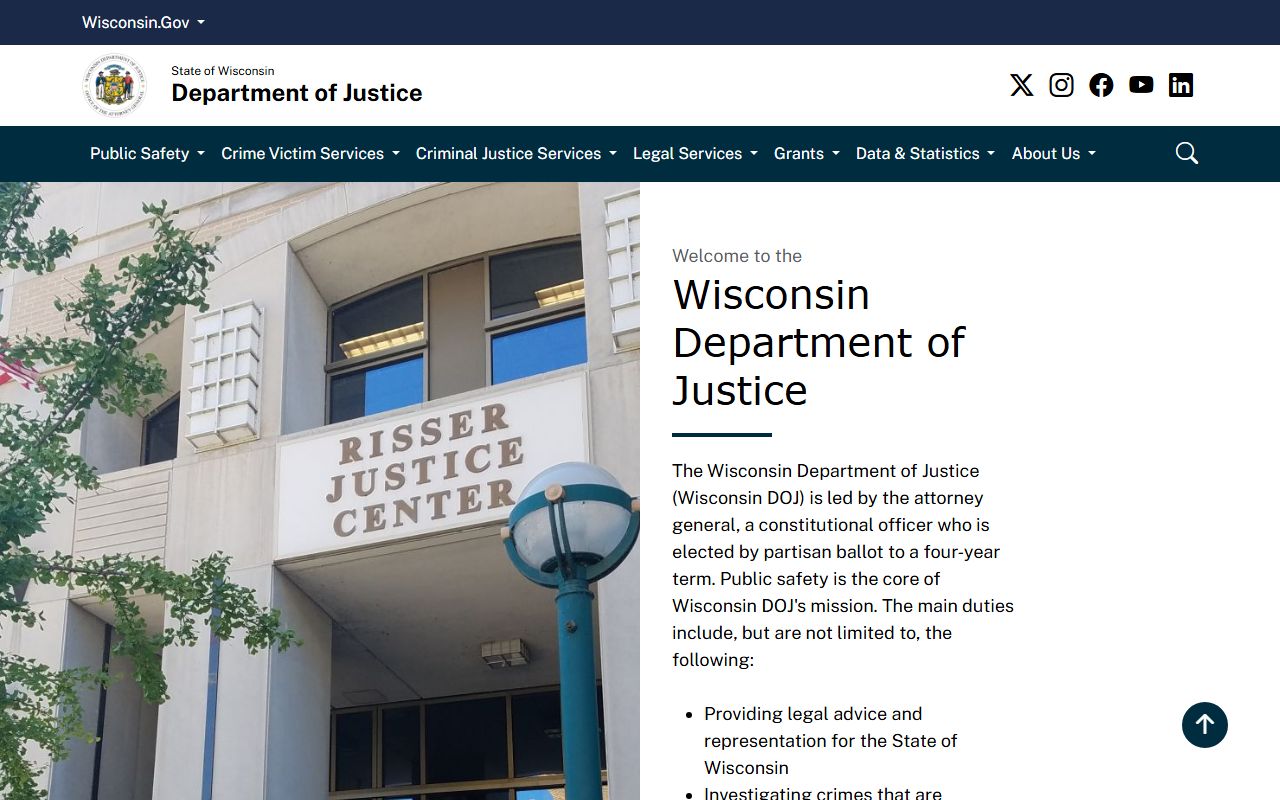
That broader justice layer helps when the search starts with a safety issue but needs a state source to move forward.
The police image shows how local incident records fit into the search path.

Police offices matter because they keep incident and arrest records separate from clerk or court records.
The fire image helps when the record trail begins with emergency response, a fire service issue, or a city safety notice.

Fire records follow a different path, and that is why the office matters before the search gets too broad.
That separation keeps Wisconsin White Pages searches practical. A safety issue should land in the right office before it spreads into a wider state search.
Wisconsin White Pages and State Agencies
The Wisconsin White Pages state path also includes general agencies that support public access and official records. The Wisconsin State Legislature is where the state public records framework lives, including Wisconsin's open records law. That matters because the law sets the rules for how records are requested, reviewed, and released across the state. The official Wisconsin state website is the broader gateway when a search needs to move from one office to another.
The Wisconsin Department of Health Services matters too because vital records, health access, and public service records all sit within the state system. A White Pages search is often about the office behind the file, and DHS is one of the state offices people reach when the trail leaves city hall or the courthouse.
The state legislature image ties the page to the law that governs access.
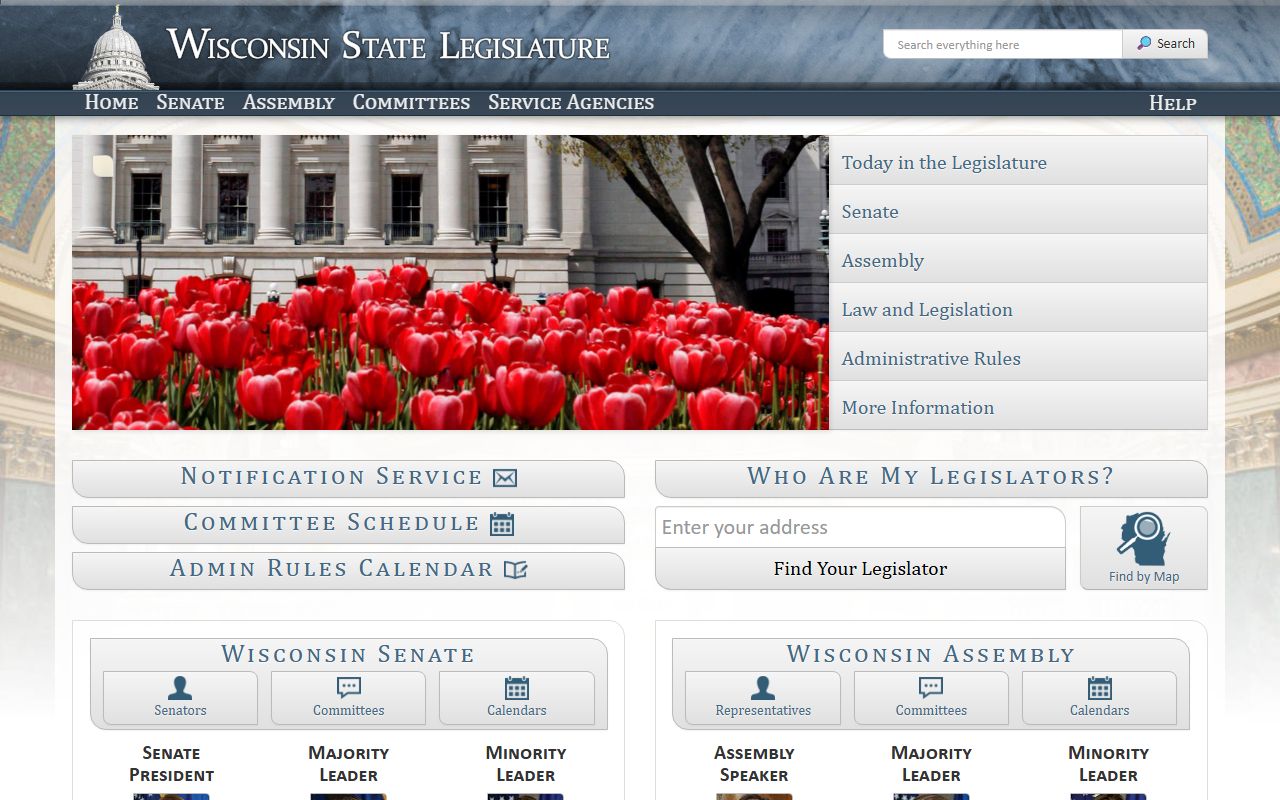
That legal frame matters because it explains why Wisconsin records can be requested from multiple levels of government.
The state portal image shows the main Wisconsin gateway for agencies and services.

That portal is useful when the search needs to leave a local office and reach a broader state resource.
The health services image connects the page to vital records and other statewide service paths.

Health services are part of the state record trail, especially when the search is no longer only about a city office.
White Pages searches get better when the state office is used for the right kind of record and not forced into a county shape that does not fit.
Wisconsin White Pages and Historical Records
Not every Wisconsin White Pages search belongs in a live office. Some searches work better through archives, history collections, or older indexes. The Wisconsin Historical Society records search helps because it lets a user look through older collections that reach far beyond a current city or county desk. That is useful when the name, place, or event is historical rather than active.
The Wisconsin Historical Society itself gives the broader archive context. Research notes in this project show how large that collection is and how useful it can be for county histories, biographies, images, and older records. A White Pages search can move there when the live office no longer has the answer.
The records search image is the best sign that older material belongs in an archive, not in a current office queue.
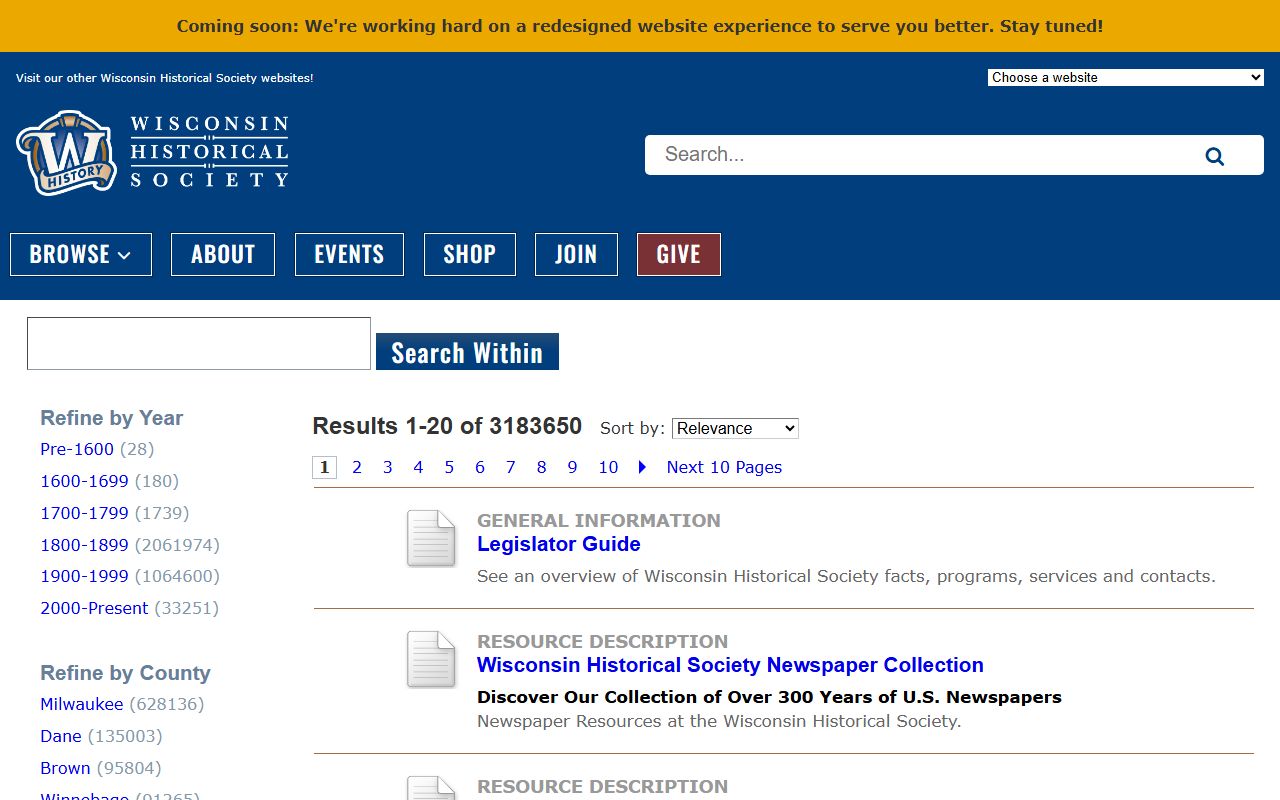
That archive path is valuable when a search needs older names, dates, or community history instead of a current file.
The society image gives the broader historical setting behind the records search.
That is the right place to go when the search has moved out of live government and into historical reference.
Wisconsin White Pages work improves when current office records and older archive records are kept separate. That keeps the search from drifting into the wrong system.
Wisconsin White Pages Search Paths
A good Wisconsin White Pages search does not stop at state level sources. It also uses local clues to reach the right city office. The City of Madison state image is a reminder that the capital city often serves as a practical entry point for state government. The Madison Assessor page shows how property records and local office work fit into that larger state picture.
These pages help because a White Pages search often starts with a neighborhood, a property, or a local office name. The Wisconsin state system gives the structure, but the city office still owns the day to day record. That is why a page like this one needs to keep both levels visible. The state portal and city pages work together when the search has to narrow fast.
The city of Madison state image shows the state capital as part of the official record landscape.
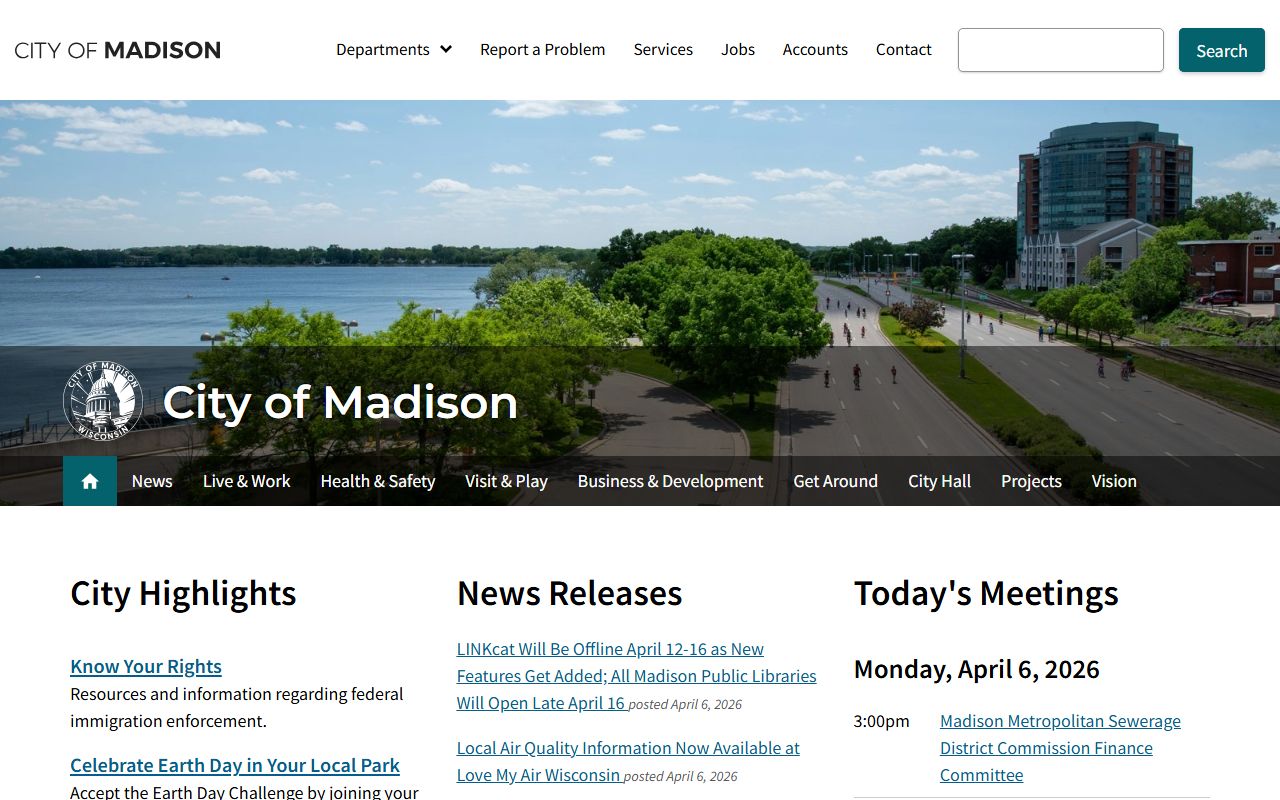
That image is useful because it ties the statewide search back to an actual city and government center.
The assessor image helps when a White Pages search starts with property or local office clues.
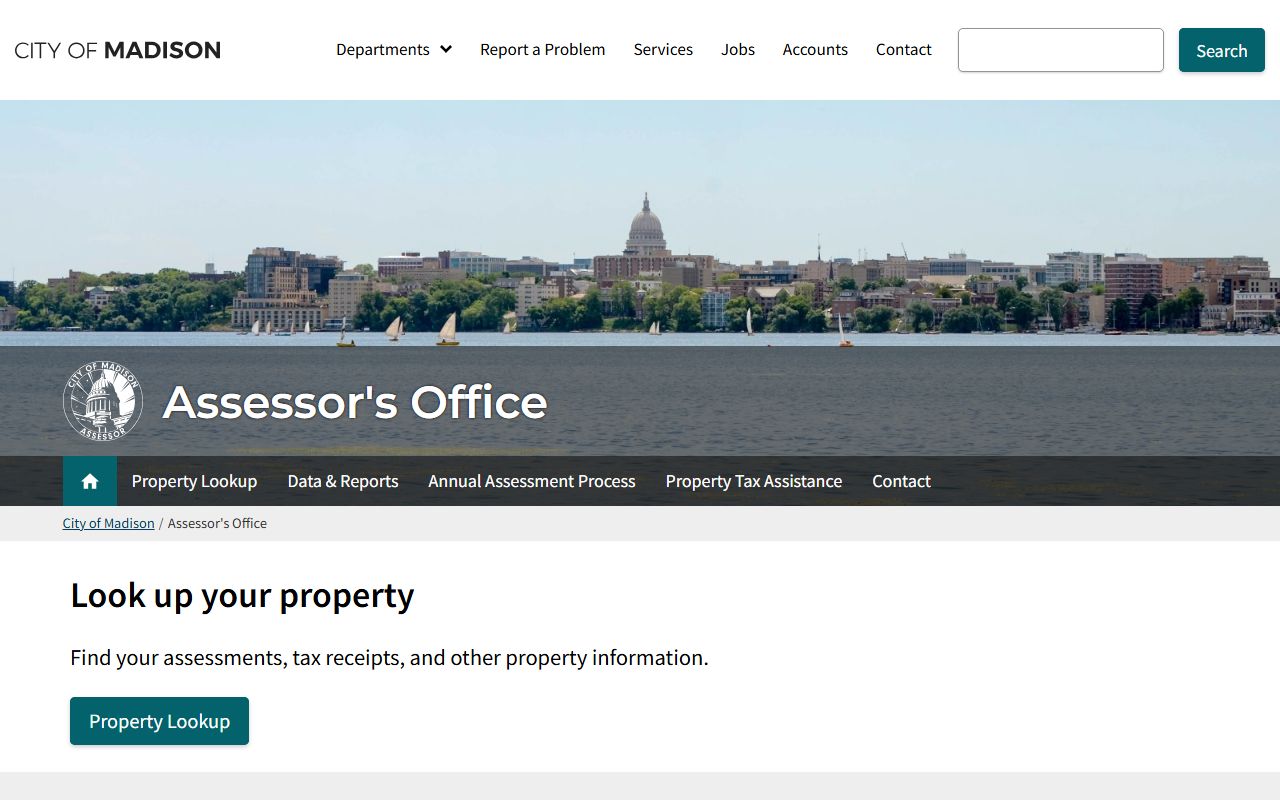
That kind of office is part of the local path that gets a search from a broad name to a real record.
When Wisconsin White Pages searches are handled this way, the result is easier to trust. The state guides the path, but the local office still does the work.
Wisconsin White Pages Search Help
Wisconsin White Pages searches work best when the source matches the record. Use a circuit court page for case work. Use a clerk page for official filings. Use a police or fire page for safety records. Use the historical society for older material. Use the state portal when the trail needs a broader Wisconsin route. Each source solves a different part of the same search problem.
That is the main value of this hub. It gives a simple way to move from a name or place to the office that owns the file. Wisconsin White Pages searches get easier when the office comes first and the directory comes second. The search becomes cleaner, the path gets shorter, and the record is easier to confirm.