
Search Cudahy White Pages
Cudahy White Pages searches work best when the city site is the first stop. The research shows a city that keeps online payments, property tax information, permits, agendas and minutes, election information, bid notices, newsletters, e-notify, and public hearing notifications in one place. That is a strong base for a White Pages search because it shows how the city organizes its public information. When the search begins with Cudahy, the next move should be toward the office or notice that actually owns the record, not a broad directory that may not match the local source.
Cudahy White Pages and City Hall
The official City of Cudahy page is the best starting point for Cudahy White Pages searches because the research shows it has a wide set of local services and notices in one place. Online payments, property tax information, permits, agendas and minutes, election information, newsletters, e-notify, and public hearing notifications all point to an active city information system. That is exactly what makes the city site useful. It gives the search a real source before the user starts guessing about the right office.
The official Cudahy page also helps because it keeps the search close to the city's own language. A White Pages search is easier when the source already uses the same local terms the user needs. Cudahy White Pages work improves when the city site is treated as the map and not just the final destination.
Cudahy city government is the source that keeps the local search grounded.
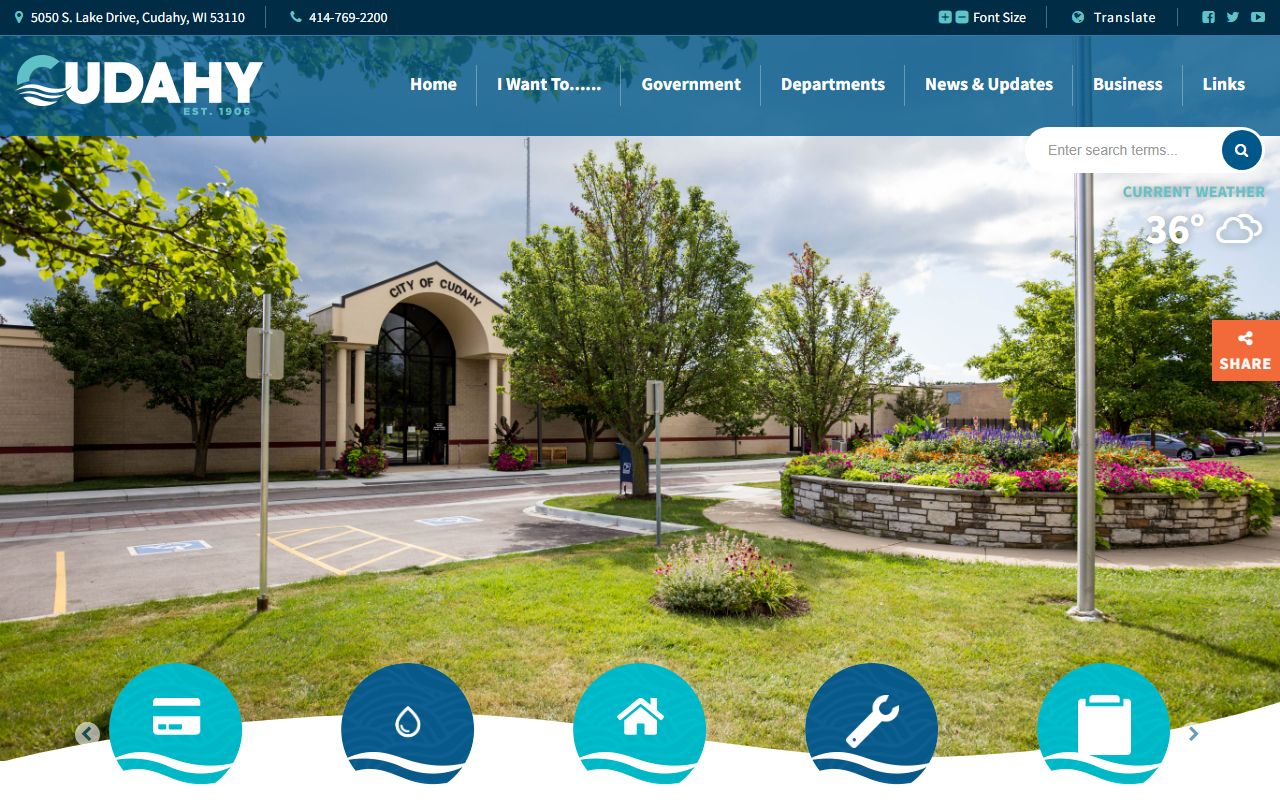
The image above gives the page a local visual anchor, and the official city site remains the better path for the record behind it.
Cudahy White Pages and Clerk Records
The research says the City Clerk's Office manages elections and official records in Cudahy. That makes the clerk one of the most important offices behind Cudahy White Pages searches. If the issue is an election item, a formal city filing, or another official record, the clerk is the right place to begin. The city site already points toward those functions through its public notices and election information, so the record trail stays clear.
Many searches start with a date, a name, or a local topic. They only become records searches after the user identifies the office. Cudahy White Pages work gets more accurate when that shift happens early. The clerk path reduces guesswork and keeps the user close to the city source that owns the file.
That office focus matters because the city offers several different public tools. Not every page is a records page, and not every notice belongs to the same department. Once the clerk is identified, the search becomes much easier to trust.
Cudahy White Pages and City Notices
The research lists agendas and minutes, newsletters, e-notify, bid notices, and public hearing notifications. Those are valuable in a White Pages style search because they show the city in action. A user who needs the latest meeting note or public hearing item can start with the city site and move directly toward the notice instead of wandering through unrelated results. Cudahy White Pages searches work better when the search follows the notice type first and the office second.
Property tax information, permits, and online payments are also part of the same local path. They tell the user that Cudahy keeps a lot of public information in a structured online format. That is helpful because it means the city site can answer more than one kind of question. A tax question, a permit question, and a meeting question do not need the same path, but they can all start at the same city source.
Keeping those notice types separate is what makes the page useful. The record trail stays cleaner when the search keeps each office in its own lane.
Cudahy White Pages for Public Safety
The research also says the Police Department maintains public safety records. Those records belong in a different lane from the clerk and from city notices. If the question is about an incident, a report, or another safety matter, the police path is the better one to follow. That separation matters because Cudahy White Pages searches can start broad and then become much more specific once the user knows which office owns the file.
Public safety searches are easier when they stay close to the source. A police record should not be handled like a tax notice or a meeting minute. The city site helps with that split because it shows multiple functions without blending them into one generic page. That is what makes the city source practical.
The result is a clearer search. The user knows whether the issue belongs with the clerk, the police department, or another city notice. That is the kind of clarity White Pages work needs.
Cudahy White Pages with State Help
Some Cudahy White Pages searches move beyond city hall and into statewide law, court structure, or archives. The Wisconsin State Legislature is the right place to start when the issue needs the public records framework used across Wisconsin. If the matter turns into a court question, the Wisconsin circuit courts page and the official circuit court forms are the stronger path.
Older material belongs elsewhere. The Wisconsin Historical Society and its records search are better for older background than a current city page. That matters in Cudahy because a local search can begin with a permit or hearing notice and later need older Wisconsin context. The state sources keep that shift controlled.
City for live local files. Courts for case work. State for statutes and statewide process. Archives for older Wisconsin material. That pattern keeps Cudahy White Pages searches on the right track.
Cudahy White Pages Follow Up
Cudahy White Pages searches work best when the city site is treated as a working map instead of a generic homepage. The site gives the user payments, taxes, permits, agendas, minutes, election information, and public hearing notifications in one place, which means it already does much of the sorting work. The White Pages search should follow that same structure instead of flattening everything into one broad local query.
That approach keeps the search local and easier to verify. If the issue is a clerk record, the clerk stays in focus. If it is a police record, the police path stays in focus. If it is a public notice, the notice stays tied to the office that posted it. Cudahy White Pages work gets stronger when the office comes first and the guess comes later.
The city already shows how it wants information organized. A careful search should respect that structure and stay with Cudahy until a stronger reason appears to move into state law or archives.