
Search Monona White Pages
Monona White Pages searches work best when the city site is the first stop. Monona has a strong local identity and the research describes it as the Garden City with parks, an aquatic center, and the Butterfly Gardens & Trails. That kind of setting matters because a White Pages search often starts with a city name and then needs to narrow to the office that actually owns the record or notice. Monona White Pages work improves when the search stays with the official city structure and does not drift into a broad directory that misses the real office path.
Monona White Pages and City Hall
The official City of Monona page is the right starting point for Monona White Pages searches because the research ties it to the local notices and civic identity that make the city easy to recognize. Monona is described as a place with well-maintained homes, citizen involvement, and a strong quality of life, so the city site matters when a search begins with a community clue instead of an office name. The image below links back to the official Monona source and keeps the page tied to the place where the record trail begins.
Monona city government is the official path that helps sort the search before it gets too broad.
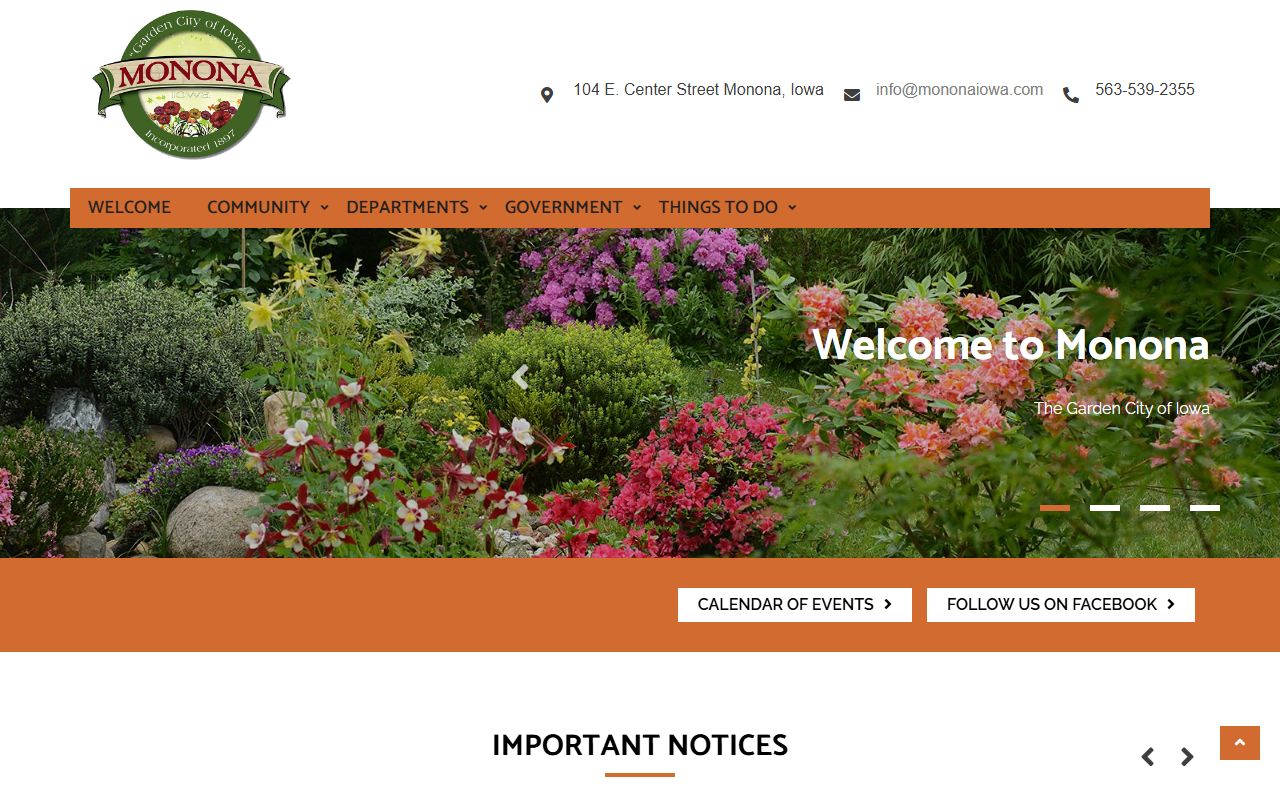
This Monona image works because it points directly to the city source that owns the local search path.
Monona White Pages work improves when the city site is treated as the map, not just the homepage.
The city is active enough that a general search can miss the office quickly if the official page is skipped.
Monona White Pages and Local Notices
The research gives Monona a clear local character. The city is known for its aquatic center, three parks, and Butterfly Gardens & Trails. Those details are more than background. They help show that the city has a real public identity, and that identity is often what starts a useful White Pages search. A person may begin with a neighborhood or park reference and then need the city office that owns the notice, service, or event page.
Monona White Pages searches are stronger when those local details are used to narrow the question. A park clue is not the same as a record clue, but it can point to the office that created the page or update. That is why the official city site matters. It keeps the search tied to Monona and helps the user avoid wasting time on generic directory pages that do not show the local structure.
That same local structure also helps when the search starts with a community award or city pride note. The page should keep the search local, not broad.
Monona White Pages and City Records
White Pages work is not only about contact names. In Monona, the useful path is often the office behind a notice or the department behind a local process. The city site is the best place to begin because it reflects the current city structure and makes it easier to tell which office owns the record. That is important when the search begins with a city clue but the user still needs to identify the clerk path, the service path, or another administrative path.
Monona White Pages searches stay cleaner when the search follows the city site instead of trying to infer the answer from a general directory. The city already knows how its notices and services are organized. A careful search should respect that structure and use it to move from a broad clue into the correct office. That is how a city page becomes useful instead of repetitive.
The Monona Historical Museum also adds a strong local anchor. It gives the page a sense of place and helps the search stay tied to the city itself.
That is especially useful when a search starts with one of the city's parks or trails and needs to end with the right city office rather than a broad county result.
Monona White Pages searches are easier when the city's own public identity stays visible all the way through the search.
Monona White Pages with State Help
Some Monona White Pages searches move beyond city government into statewide law, court structure, or archives. The Wisconsin State Legislature publishes the public records framework used across Wisconsin. wisconsin.gov helps route users into statewide agencies when the city page is not the final source.
If the issue becomes a court matter, the Wisconsin circuit courts page and official circuit court forms provide the statewide court path. For older Wisconsin material, the Wisconsin Historical Society and its records search fit better than an active city page.
That support matters because a Monona search can begin with a park or neighborhood clue and then turn into a record request or a historical question. Official Wisconsin sources help make that shift clear and keep the trail easy to follow.
City for live local files. Courts for case work. State for statutes and statewide process. Archives for older Wisconsin material. That keeps Monona White Pages searches practical and grounded.
It also helps when the local site is the only reliable source for the issue.
Monona White Pages Follow Up
Monona White Pages searches work best when the city office stays at the center of the search. Clerk records stay with the clerk. City notices stay with the office that posted them. City service questions stay with the office that created the page or update. That keeps the trail clear and prevents a broad regional search from pulling the user away from Monona itself.
That local-first approach matters because Monona has a strong city identity that can be easy to blur into neighboring places if the official source is skipped. The city site keeps the record trail narrow and useful. It also makes the White Pages page feel local instead of generic, which is the point of the page.
The more directly the user follows the city structure, the more useful the answer becomes. Monona White Pages work is strongest when the local office is chosen before the broader search takes over.
The award language in the research is best treated as local notice language, not as a broad claim. That keeps the page accurate and rooted in the source material.