
Search Plover White Pages
Plover White Pages searches work best when the village site is the first stop. Plover has a clear local rhythm, and the research shows that even park rentals and paperwork notices are handled through official village channels. That matters because a White Pages search is often really a search for the office behind the notice. Plover White Pages work gets easier when the search stays with the village structure and does not drift into a broad directory that cannot show which office owns the record or service path.
Plover White Pages and Village Hall
The official Village of Plover page is the best first stop for Plover White Pages searches because the research ties it to seasonal park use, shelter rentals, and changing paperwork notices. The village site shows how local information is organized, which helps turn a broad question into a direct office search. That is useful when the user knows the place but not the office that created the record. The local image below links back to the village source and keeps the page anchored in the real Plover site.
Plover village government is the source that keeps the search local.
Use the image first, then follow the village page back to the office that owns the file.
Plover village government helps the page stay tied to the exact source rather than a copied directory.
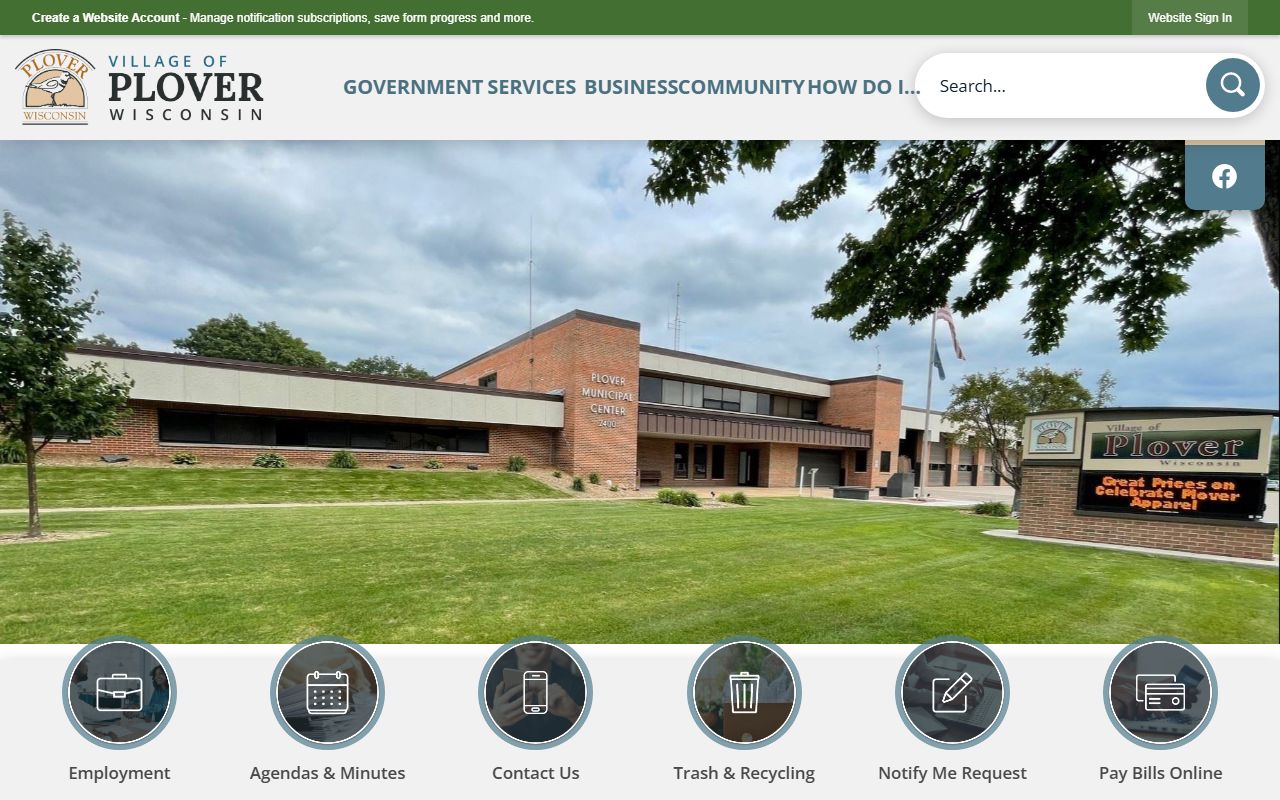
That official view is useful because it points directly to the village source that supports the search.
Plover White Pages work improves when the village site is treated as the map, not just the destination.
The village is small enough that the right office can usually be found quickly once the official source is in hand.
Plover White Pages and Park Rentals
The research gives Plover a clear set of local details that make the page specific. Food truck vendors can reserve designated spots at Lake Pacawa Park, and small park shelter rentals are available during the warm season. Those are not random notes. They show how the village publishes real public service information through official channels. White Pages searches are stronger when those local clues are treated as proof that the site carries active village information, not just contact names.
That matters because a user may start with a park question and only later need the office or page that controls the reservation. Plover White Pages work gets better when the search follows the village service path, not a general search result. The village site is the safest place to start because it keeps the issue connected to the office that owns the notice or rental page.
The same logic applies to the paperwork notice. When a record or form method changes, the village source is still the best place to confirm the current process.
Lake Pacawa Park is a useful local clue because it ties a public space to an actual village service. That gives the page a real anchor and helps the search stay local.
Seasonal rentals also remind the user that village pages often carry practical details, not just office names. That is exactly the kind of material White Pages searches should follow.
Plover White Pages and Village Records
Even in a village known for parks and reservations, White Pages searches still need a record path. The research notes that the village is changing how Form 1095-C is distributed. That kind of notice matters because it is a sign that official village channels are active and that the village still manages public information through its own office structure. Plover White Pages searches work better when the user follows that structure instead of treating every local notice like the same kind of file.
Records work is easier when the search starts with the actual function behind the page. A seasonal rental, a forms notice, and a general service page are not the same thing. The village source helps separate them early. That makes the search cleaner and keeps it from drifting into a state page too soon.
The village name alone is not enough. The office and the record type are what make the result useful.
Plover White Pages with State Help
Some Plover White Pages searches move beyond village government into statewide law, court structure, or archives. The Wisconsin State Legislature publishes the public records framework used across Wisconsin. wisconsin.gov helps route users into statewide agencies when the village site is not the final source.
If the question grows into a court matter, the Wisconsin circuit courts page and official circuit court forms provide the statewide court path. For older Wisconsin material, the Wisconsin Historical Society and its records search are a better fit than a current village page.
That support matters because a village search can begin with a park rental, then turn into a records question or a historical question. Official Wisconsin sources keep that shift clear and help the search stay tied to the right source.
City for live local files. Courts for case work. State for statewide process. Archives for older Wisconsin material. That keeps Plover White Pages searches practical and local.
Plover White Pages Follow Up
Plover White Pages searches work best when the village office stays at the center of the search. Park reservations stay with the office that manages them. Forms notices stay with the office that posted them. When the local clue is only a place name or a seasonal event, the village structure is what keeps the search from wandering.
That approach also keeps the result easier to trust. Plover is small enough that the village path usually points to the right place quickly, but only if the search stays with the official source. The village site is the cleanest way to do that.
It also makes the White Pages search feel local instead of generic. That is the point of the page.
The more directly the user follows the village structure, the more useful the answer becomes.
The paperwork change matters for the same reason. It shows that village communication is active and that the official site is the place to check first when a notice changes.
Plover White Pages work stays simple when the village source is the first source and the last source.
That keeps the search tied to the same official office from start to finish.